

Understanding Cuba Travel Restrictions: What You Need to Know
Traveling to Cuba has become increasingly popular among tourists looking to explore its vibrant culture, beautiful landscapes, and historical significance. However, it is essential to understand the current information on Cuba travel restrictions https://pathsinc.org/media/pgs/cuba-travel-restrictions-rules-and-exceptions.html before planning your trip, as policies can be complex and frequently changing. In this article, we will cover various aspects of travel to Cuba, including entry requirements, regulations regarding money, and guidelines for activities during your stay.
Entry Requirements
To enter Cuba, travelers are required to have a valid passport and a tourist card (also known as a visa). The tourist card can usually be obtained through your airline, travel agency, or directly from the Cuban consulate. It is valid for 30 days and can be extended for an additional 30 days while in the country. Note that some travelers, depending on their nationality, may need to check specific entry requirements, including vaccination records or additional documentation.

Travel Restrictions Overview
Travel restrictions to Cuba have varied significantly over the years, particularly in light of U.S. foreign policy changes. As of October 2023, t
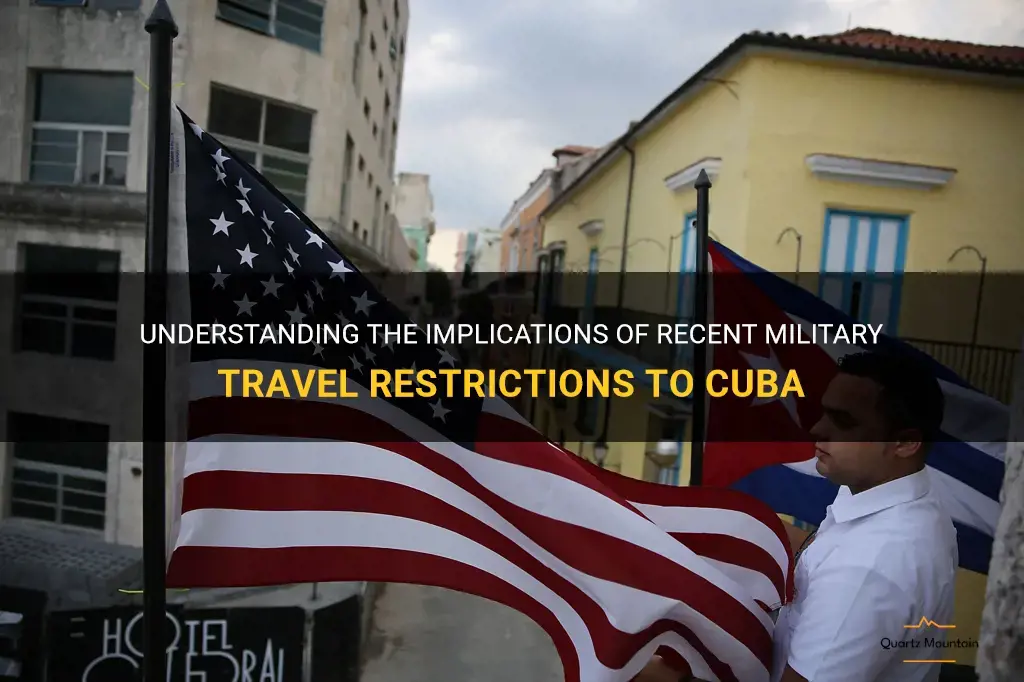
he Cuban government still imposes strict regulations on travel and financial transactions within the country. Travelers should stay informed about any updates or changes before embarking on their journey. Some key points regarding travel restrictions include:
- Travel Categories: U.S. citizens must fall under one of the 12 approved categories for travel, which include family visits, humanitarian projects, and journalistic activities.
- Financial Transactions: Cuba has specific rules related to the financial transactions of travelers, including limits on the amount of cash one can bring and the types of credit/debit cards that are accepted.
- Cultural Engagement: Engaging with the local culture is encouraged, but travelers should be mindful of adhering to regulations regarding tours and activities.
Health Regulations
Travelers must also be aware of health regulations when planning a trip to Cuba. It’s advisable to check with healthcare professionals about any necessary vaccinations or medications prior to travel. In recent years, there have been health protocols in place due to global events, so keep an eye on any announcements from health authorities regarding COVID-19 or other diseases that may affect travel. As of now, travelers may be required to present proof of vaccination and a health declaration upon arrival.
Money Matters
Understanding the currency situation in Cuba is essential for any traveler. The official currency is the Cuban Peso (CUP), but tourists mainly use the Cuban Convertible Peso (CUC) for transactions. However, as of recent updates, the Cuban government is in the process of unifying its currency system, which can lead to confusion. Travelers are encouraged to use cash and avoid credit cards issued by American banks, as they may not work in Cuba.
Accommodation and Transportation
When planning your accommodations, it’s best to opt for government-approved hotels or private homestays known as “casas particulares.” These establishments comply with local regulations and help ensure a more secure stay. In terms of transportation, Cuba offers a variety of options, including taxis, buses, and rental bikes. However, it is wise to book transportation in advance, especially during the peak tourist season.
Local Laws and Customs
Every traveler should familiarize themselves with local laws and customs to ensure a respectful and lawful visit to Cuba. It is illegal to engage in political discussions or activities against the Cuban government, and violations can lead to serious consequences. Additionally, respecting the local culture and traditions is paramount. Dress modestly and be courteous to locals while observing religious practices or traditional events.
Restrictions on Activities
While Cuba is known for its rich cultural experiences, there are some restrictions on activities that travelers should be aware of. If you’re planning to participate in artistic endeavors or academic research, make sure you have the appropriate permits. Moreover, some guided tours may have restrictions based on their affiliation with local agencies, so always verify before signing up.
Final Advice for Travelers
Before finalizing your plans, it’s also important to have travel insurance. Ensure your plan includes coverage for potential medical emergencies, trip cancellations, and other unexpected scenarios. Being covered can provide peace of mind and protect you from significant expenses. Ultimately, a trip to Cuba can be a rewarding experience, but understanding the travel restrictions and local regulations beforehand will help guarantee a smooth and enjoyable stay.
Conclusion
Traveling to Cuba can be a fascinating journey filled with unique experiences. By being informed about travel restrictions, health regulations, and local laws, you can ensure a more enjoyable and trouble-free vacation. Whether you are drawn to the island for its stunning beaches, spirited music, or rich history, understanding the rules will pave the way for an exceptional trip. Stay informed, respect local customs, and prepare yourself for the beauty and culture that awaits in Cuba.