
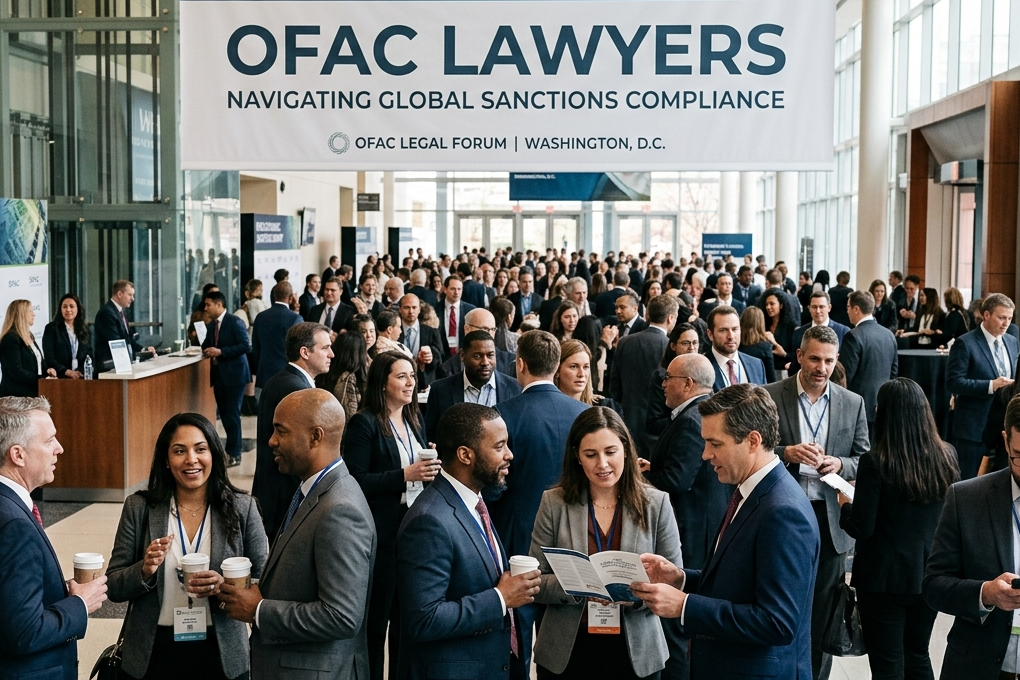
In today’s complex legal environment, the significance of a Sanctions Lawyer Usa US sanctions lawyer cannot be understated. Sanctions lawyers are specialized attorneys who navigate the intricate landscape of economic sanctions, trade restrictions, and regulatory compliance. Their expertise is crucial for individuals, businesses, and institutions that operate in a globalized economy. This article delves into the vital functions of sanctions lawyers, the scope of their work, and the growing importance of compliance in an era of increased geopolitical tensions.
The Importance of Sanctions in Global Affairs
Sanctions are a primary tool used by governments around the world to influence the behavior of foreign nations, deter unlawful actions, and promote international peace and security. These can take various forms, including economic measures, trade restrictions, asset freezes, and travel bans. In the USA, sanctions are primarily imposed by the Office of Foreign Assets Control (OFAC), a division of the U.S. Department of the Treasury. The implications of these sanctions can be profound, affecting businesses and individuals engaged in international commerce.
Understanding the Role of a Sanctions Lawyer
Sanctions lawyers play an essential role in helping clients understand and comply with domestic and international sanctions laws. They offer a wide range of services, including:
- Legal Advice: Sanctions lawyers provide expert guidance on compliance with sanctions regulations, helping clients understand their obligations and options under the law.
- Risk Assessment: Assessing the risk of potential sanctions violations is a critical service. Lawyers analyze business practices to identify areas of vulnerability.
- Due Diligence: Conducting thorough due diligence on business partners, suppliers, and customers is vital. Sanctions lawyers help businesses ensure that they are not inadvertently engaging with sanctioned entities.
- Compliance Programs: Developing and implementing compliance programs to mitigate the risk of sanctions violations is a key function. This can involve creating internal policies, conducting training, and setting up monitoring systems.
- Representation in Enforcement Actions: If a sanctions violation occurs, sanctions lawyers represent clients in investigations and enforcement actions taken by government agencies.
The Challenges of Sanctions Compliance
Compliance with sanctions laws is a complex and evolving challenge. The regulatory landscape is continually changing, with new sanctions being imposed frequently. Furthermore, the consequences of non-compliance can be severe, including hefty fines, loss of business, and even criminal charges. For companies operating in sectors like finance, shipping, and trade, the stakes are particularly high. This reality has made sanctions lawyers indispensable allies in navigating these turbulent waters.
Key Considerations for Businesses
Businesses must maintain a proactive approach to sanctions compliance. This includes the following key considerations:
- Stay Informed: Regularly updating oneself on the latest sanctions regulations and changes is crucial. This can often involve subscribing to news updates from regulatory agencies or legal firms specializing in sanctions law.
- Implement Compliance Measures: Companies should develop and implement robust compliance programs that encompass policies, training, and monitoring systems.
- Seek Professional Help: Engaging a sanctions lawyer is a strategic investment in safeguarding one’s business against potential risks associated with sanctions violations.
- Document Everything: Maintaining accurate records of transactions, communications, and compliance efforts can be invaluable in the event of an investigation.
The Impact of Global Affairs on Sanctions Law
Sanctions law is deeply intertwined with global affairs and foreign policy decisions. As geopolitical tensions rise or shift, so too do the sanctions regimes that govern international trade and relations. Recent events, such as trade wars, international conflicts, and diplomatic negotiations, have all influenced the direction and enforcement of sanctions policies. As a result, sanctions lawyers must regularly engage with the broader political landscape to provide informed counsel to their clients.
Choosing the Right Sanctions Lawyer
When selecting a sanctions lawyer, it’s essential to consider several factors:
- Experience and Expertise: Look for lawyers who specialize in sanctions law and have a proven track record of handling similar cases.
- Reputation: Research the lawyer’s reputation in the industry. Client testimonials and peer reviews can provide insight into their effectiveness.
- Communication Skills: Clear communication is vital for understanding complex legal issues and receiving timely advice.
- Personal Fit: Ensure that the lawyer understands your business’s unique needs and challenges and is someone you feel comfortable working with.
Conclusion
As the global landscape continues to evolve, the role of sanctions lawyers in the USA remains critical. Their expertise not only protects clients from legal repercussions but also positions them to thrive in an increasingly regulated environment. For businesses and individuals alike, engaging with a knowledgeable sanctions lawyer is an essential step toward ensuring compliance and mitigating risk in today’s complex international marketplace.